Omeka is an open source content management system, also referred to as a CMS which allows users to create their own online exhibits and digital collections. This was my first time making an online exhibit so it took a moment to organize myself properly but once I knew what I wanted to add and what information I needed to add it became simple. For my exhibit I used the Dublin Core Ontology which is a way to organize metadata for each item featured. Overall this may seem like a lot with all these different terms but it’s not as complicated as it sounds. Let me tell you a bit of the ups and downs which were encounters while setting up this exhibit and what makes it worth trying out.
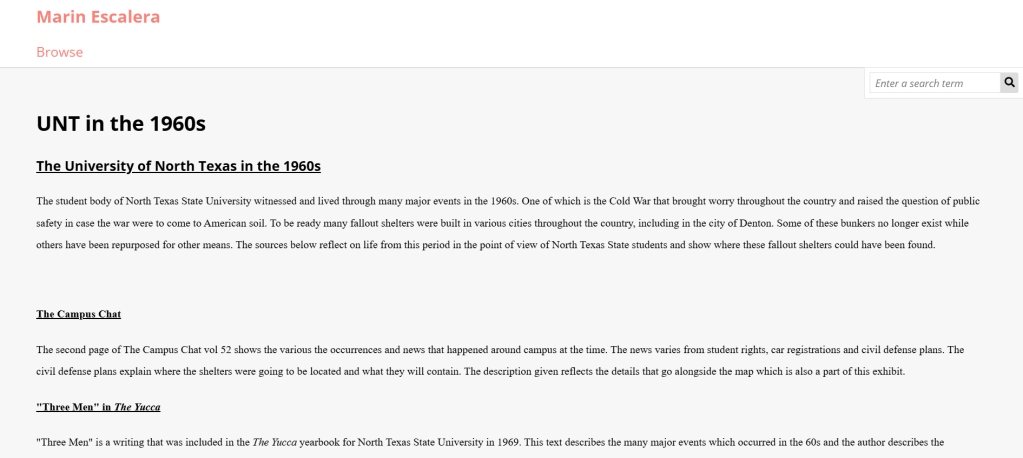
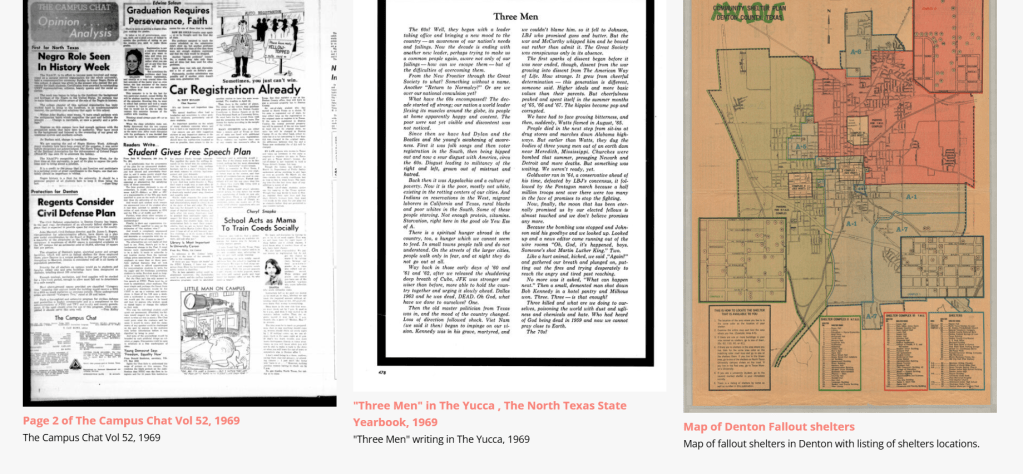
To start off you need to open an Omeka site and once you have that it’s like a blank canvas. So you’re free to add your images and documents in your item resources and with each item you fill out its metadata which is essentially the details of the item. Each section for the metadata has what it is and a short description so as long as you have the information of your item it’s easy to fill out. Though when you don’t have all the details it can take some time to fill out as I noticed with one of my items that I struggled to find all the details for. Once you have your items you can then set up your page for the exhibit. On this page you’ll add your title, items and your exhibit labels. Since the items are already set up all you need it to embed them onto your page, so your main challenge here will be your exhibit labels which will describe your items to visitors so they can get an idea of what they are how they connect together as a whole. Similarly to filling out the metadata for the items it’s not difficult to make exhibit labels if you already have the content organized. Once you have that you can set your page for your exhibit.
Even though setting up this exhibit seemed a bit daunting at first I overall enjoyed it and learned a lot since I knew nothing regarding digital exhibits before this experience. Learning to use this is really helpful especially as a historian because it allows me to organize my projects and research while also being able to share it with other who may also be interested in the same topic. Also learning about the use exhibit labels really brings the focus of the public into this as well since by labeling items and exhibits in a way that engages others also opens it up to the public which what we’re trying to do in digital public history. Since this is the history that belongs to all of us.
Beverly Serrell, Introduction and Ch. 2-5, 8-9 in Exhibit Labels: An Interpretive Approach.


Leave a comment